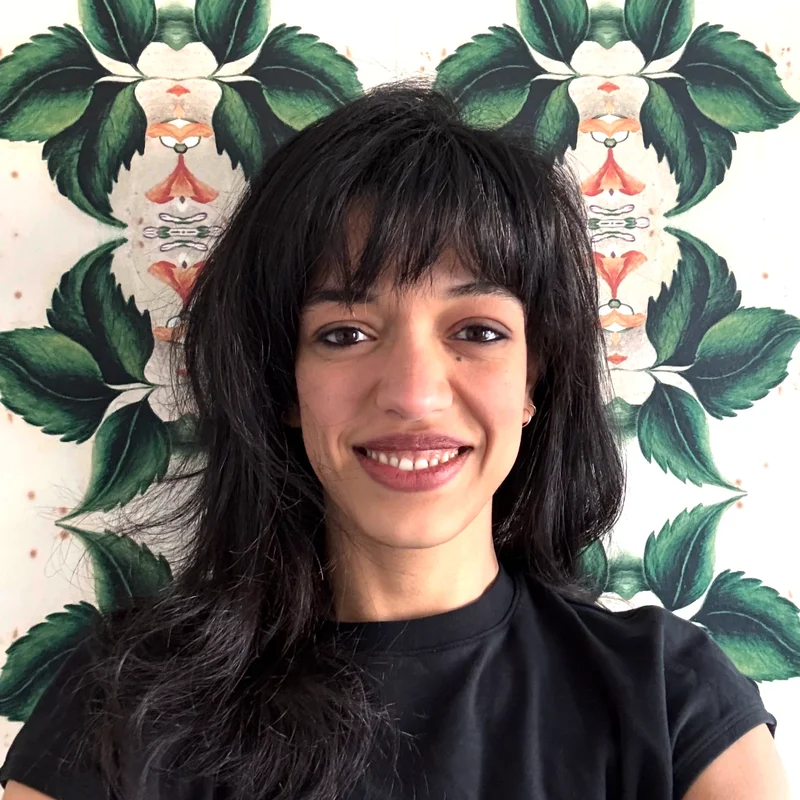
Yasmine is a researcher and creative technologist based in London. She is a Research Fellow at UAL's Creative Computing Institute, a freelance consultant and a practice-based PhD candidate working at the intersection of generative AI ethics and policy, intangible cultural heritage, and decolonial and community-based practice.
yasmine-boudiaf [@] protonmail.com
Projects
AI ethics policy cultural heritage decolonial generative AI participatory research intangible heritage anti-colonial racial justice surveillance data rights creative computing art practice community networks federated data commons computer vision augmented reality
A 15-month UK-US research project developing governance frameworks that enable creative communities to share and manage federated data commons for responsible machine learning applications.
An online platform and collaborative authorship project that invites the perspectives of practitioners concerned with our relationship with technology.
An Algerian Techno-Ritual offers a methodology that uses machine learning (ML) as a tool to document cultural practices at risk of permanent erasure from our collective memory, and as a way for people to connect to their heritage.
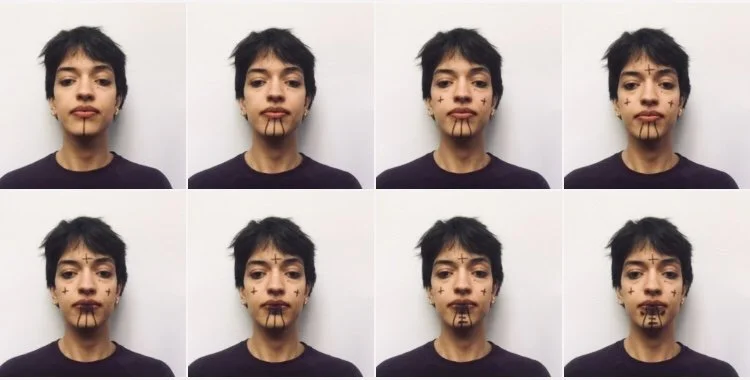
Yasmine uses AI to artistically respond to and connect with a disappearing practice from her own culture: the facial tattoos of Algerian women.
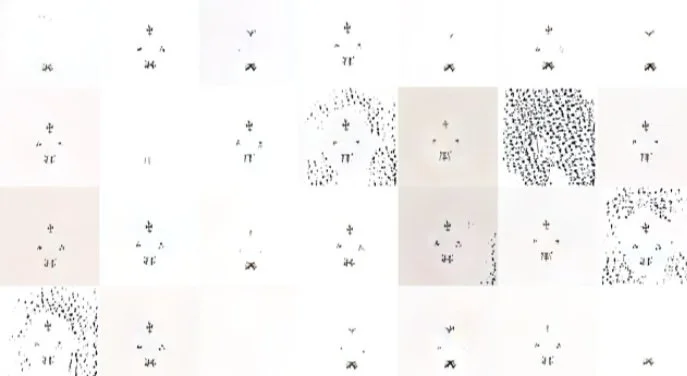
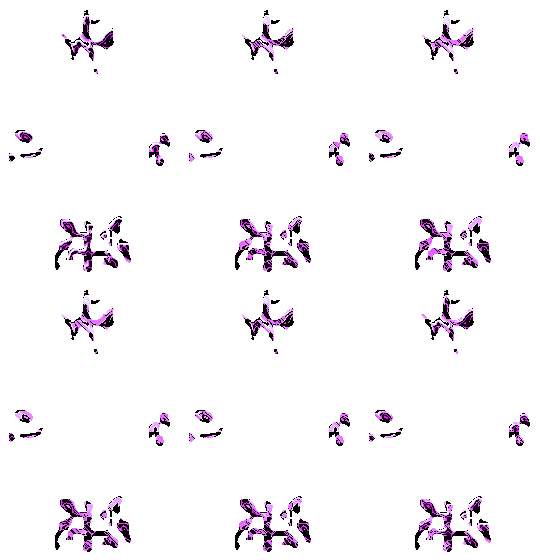
She made a database of mock markings, generated an AI version of the markings, then used augmented reality (AR) to overlay it on her face.
Her intention is to expand this pilot to produce a database of facial markings of North African and Middle-Eastern women that does not contain biometric data, for cultural and artistic purposes. She would like to develop a way of using AI that is non-extractive and truly beneficial to society.
The widespread adoption of computer vision affects the lives of its users at unprecedented levels. Its impact falls unevenly, and the populations already facing various forms of discrimination are the most vulnerable.
The project addresses the question: how are we teaching machines to see?
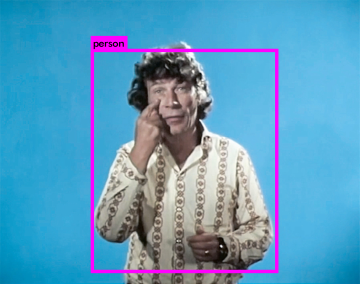
The project's point of departure is John Berger's 1972 BBC documentary series and book Ways of Seeing, which had an enormous impact on both popular and academic perspectives on visual culture. Central to the proposal is Berger's assertion that "the relation between what we see and what we know is never settled." The project asks in what ways computer vision further unsettles this relation. What does the increasingly general application of AI and machine vision algorithms in platforms and software imply for human ways of learning to see? What is the relationship between learning to see and training machines to see? The research proposes to investigate what new forms of computer visual literacy might be necessary when machines intervene in the interpretation, circulation and production of images. It brings together different approaches to visual and media literacy from art education, pedagogy and computer science.
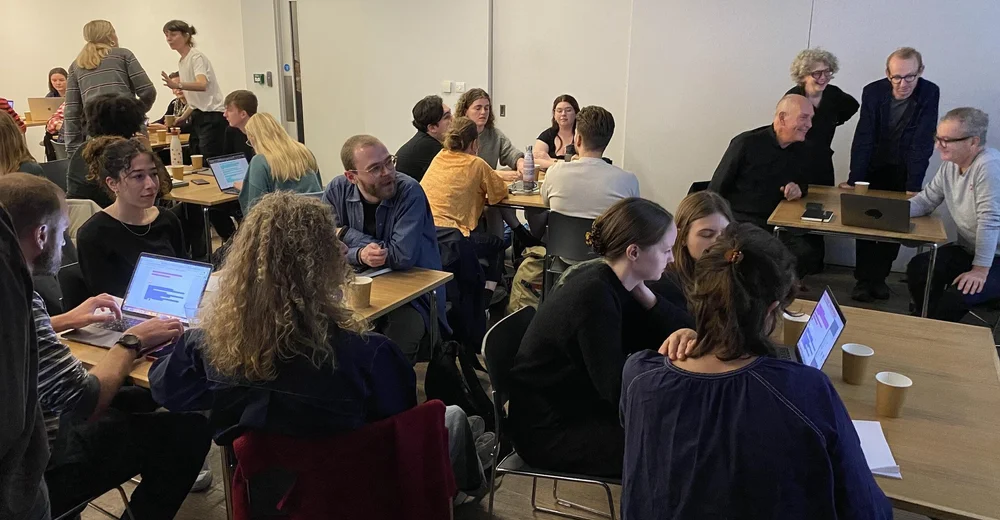
Through hands-on experimentation with dataset curation and machine training, the workshops give participants a concrete context for understanding the risks and benefits of AI and computer vision.
The project's interest lies in how developments in computer vision have transformed visuality, and how particular elite forms of knowledge gain legitimacy in ways that support intersectional discrimination and exclusion. It aims to inform a public understanding of these processes, to expose the limited worldview of image datasets, and to include other voices in this discussion.
Learning Experiments in Computer Vision and Visual Literacy is a public engagement project with funding from The Alan Turing Institute, and part of a research collaboration between the Centre for the Study of the Networked Image (CSNI) at London South Bank University, UCL Institute of Education, and The Photographers' Gallery. With contributions from Geoff Cox (CSNI), Annie Davey (UCL IoE), Yasmine Boudiaf (Justice Matrix), Nicolas Malevé (Constant/Aarhus University), Janice McLaren (The Photographers' Gallery), Yugyoung Choi (UCL IoE), Hsin-Mei Lin (UCL IoE), Siddony Kalair (Roding Valley High School), Makaila McKenzie (Heartlands High School), James Stevenson, Andrew Dewdney (CSNI), Tim Fransen (CSNI) and Dean Kenning.
Funder: UKRI, Lead institution: University of the Arts London, Partner: New York University, Role: Project Co-Lead (UK)
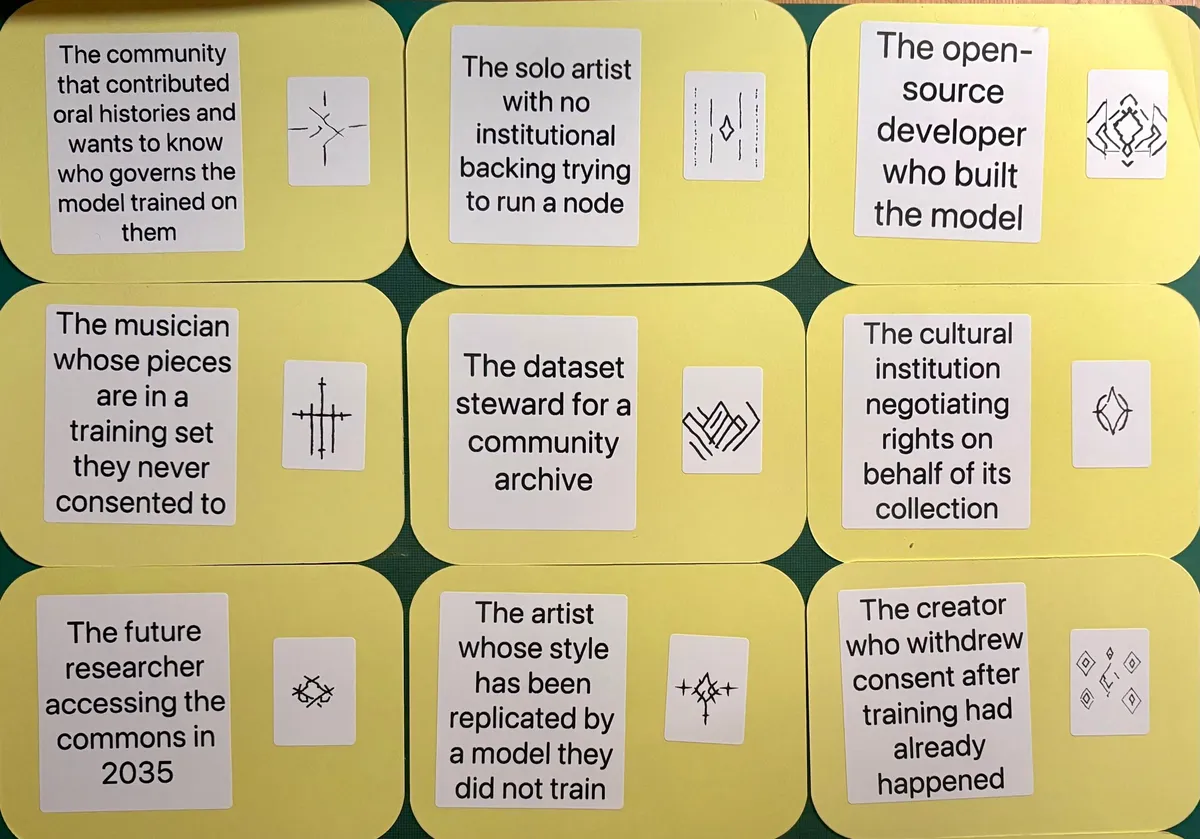
A 15-month UK-US research project developing governance frameworks that enable creative communities to share and manage federated data commons for responsible machine learning applications. A federated data commons is a distributed network of datasets governed by creators and stakeholders, allowing them to maintain local control while participating in a shared ecosystem with common standards.
The project addresses a critical challenge: artists, musicians, and writers are at the forefront of AI adoption while facing significant economic risks from their work being used in training datasets without consent. The project develops two complementary frameworks: a Creator-Centric Federated Dataset Framework empowering artists to structure and share their creative datasets while maintaining control, and a Federated Data Commons Governance Framework establishing rules, permissions, and protocols for community-managed data commons.
Yasmine serves as Project Co-Lead (UK), specialising in public engagement methodologies and AI ethics implementation. Her role spans participatory co-design workshops (WP2.1) and the documentation of case studies and implementation examples (WP4.1). The project is led by Phoenix Perry (UAL) and also involves Rebecca Fiebrink, Nick Bryan-Kinns, Elizabeth Wilson (all UAL), and Tega Brain and Luke DuBois (NYU). Partners include Mozilla Foundation, Creative Commons, Society for Poetic Computation, and Ableton.
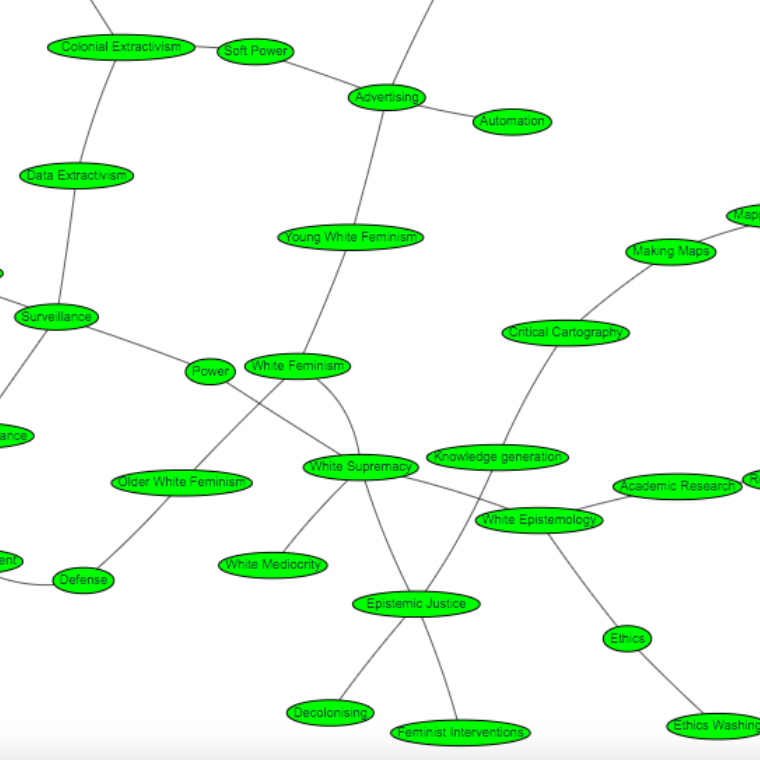
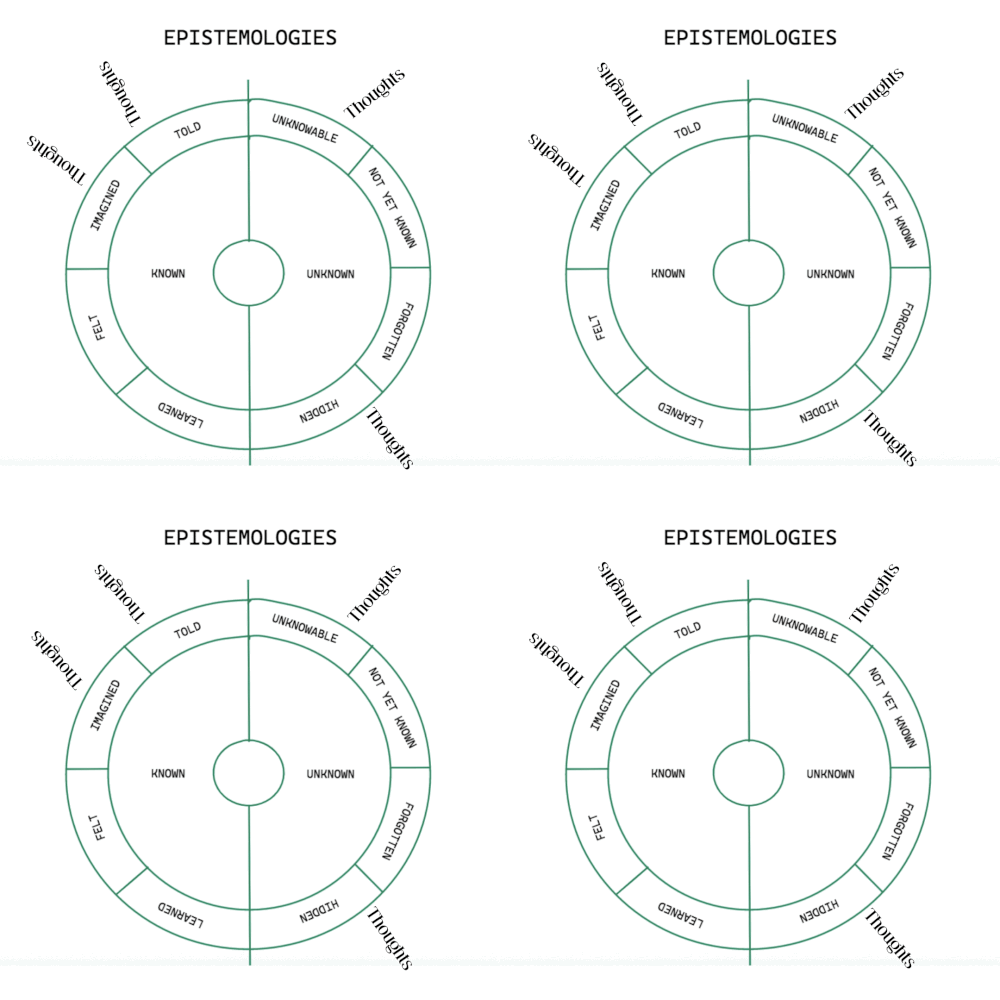
Fundamentally, this project refutes the notion that effective policy making, as it relates to AI ethics, is at all possible. It is a critique of Euro-centric knowledge processes and the way they manifest as curated information flows passing through sanctioned knowledge keepers. It treats all sources and expressions of knowledge as valid. It offers issues to consider when contemplating AI practice without necessarily offering an answer.
Funder: AHRC BRAID Programme, Role: Researcher and Creative Technologist, Partners: University of Warwick, UAL, Nokia Bell Labs, NESTA, LOTI, Transport for West Midlands
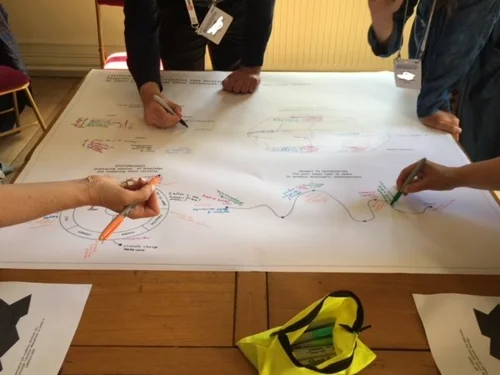
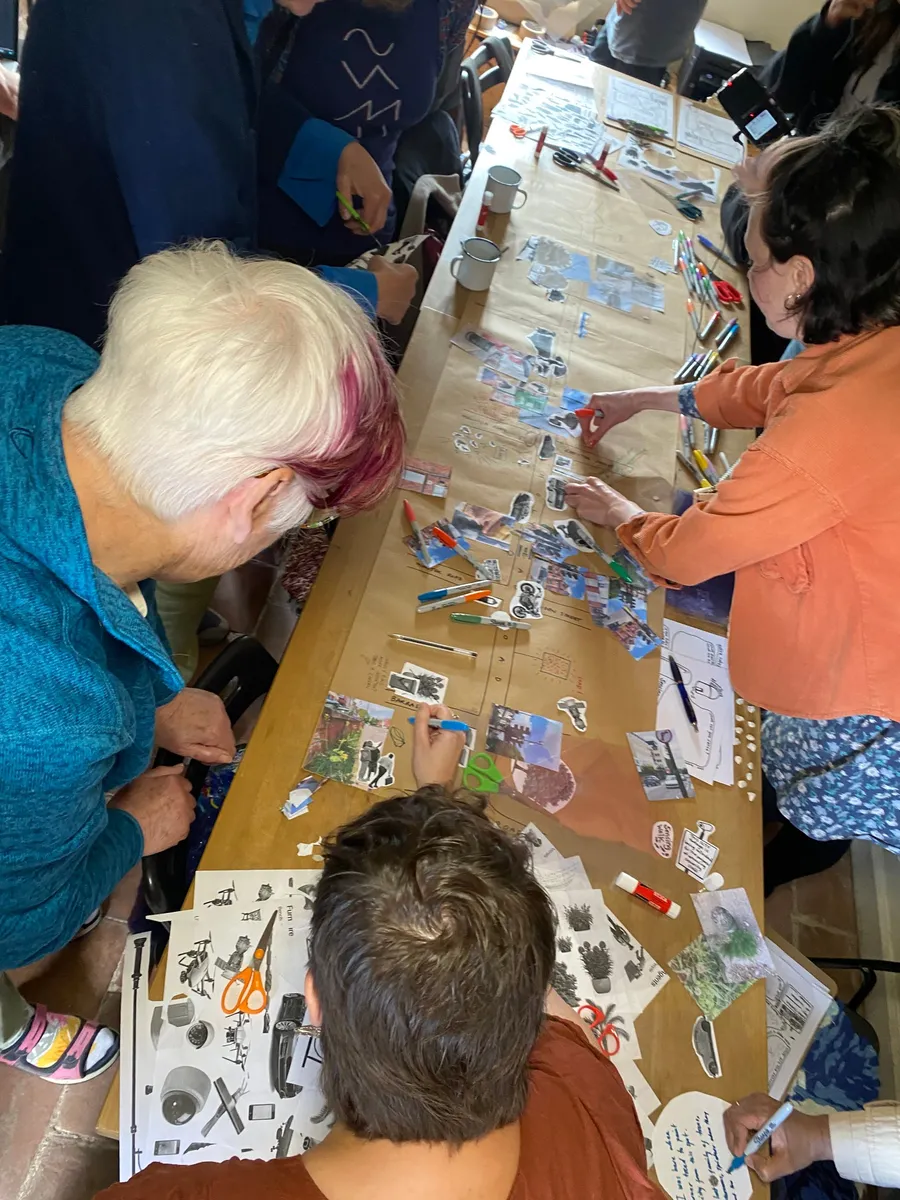
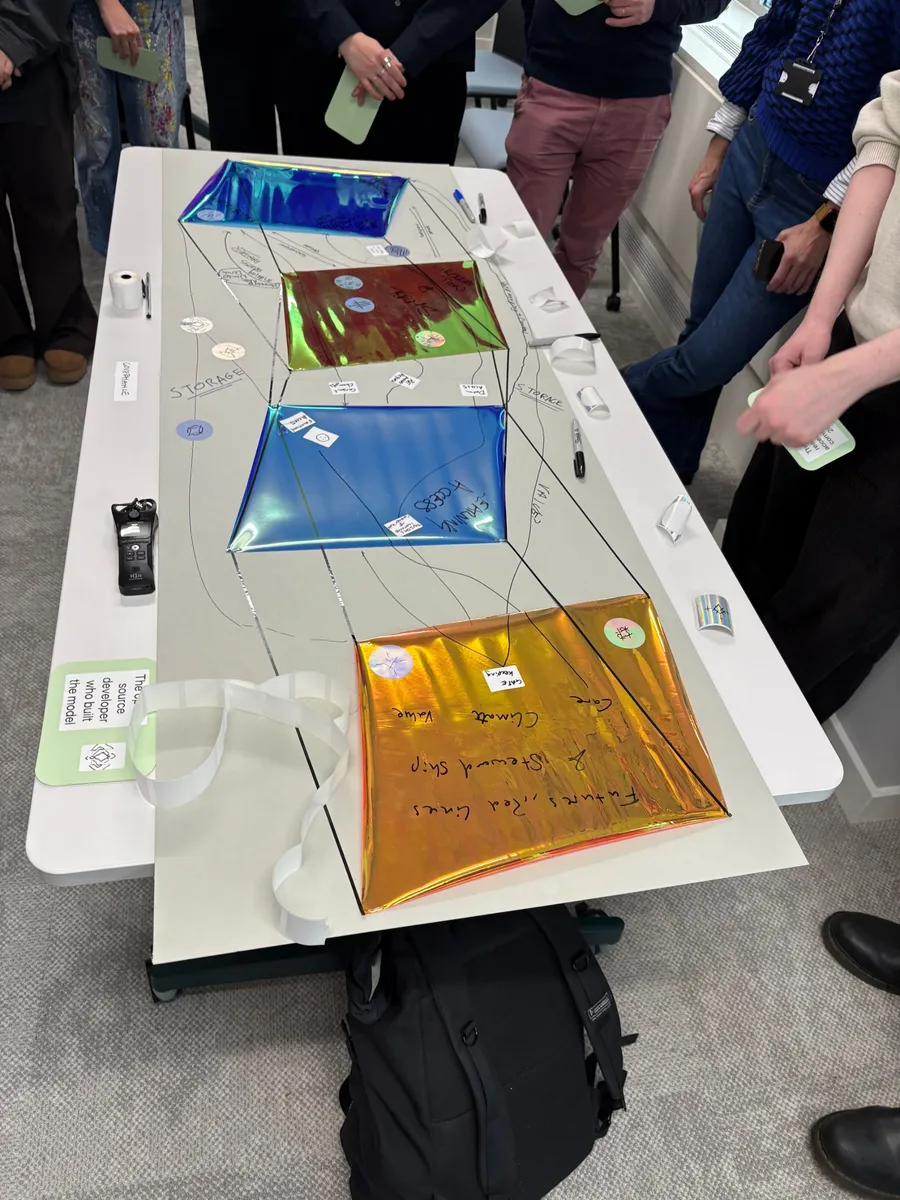
A five-city participatory project examining how everyday publics encounter AI in city streets. Yasmine led the London Observatory across three sites, Science Gallery (London Bridge), Martello Street Studios (London Fields), and Hermitage Community Moorings (Wapping), with 18 participants across sessions of up to three hours each.
The methodology centred on collaborative diagramming and sensing walks using A4 OHP transparency sheets layered over A0 street maps, working across four domains: Vehicles and Physical Infrastructure, Platforms and Data Flows, Labour and Operations, Users and Non-Users. Observatories also ran in Coventry, Edinburgh, Cambridge, and Logan (Australia). Findings launched at Newspeak House, London, January 2026.
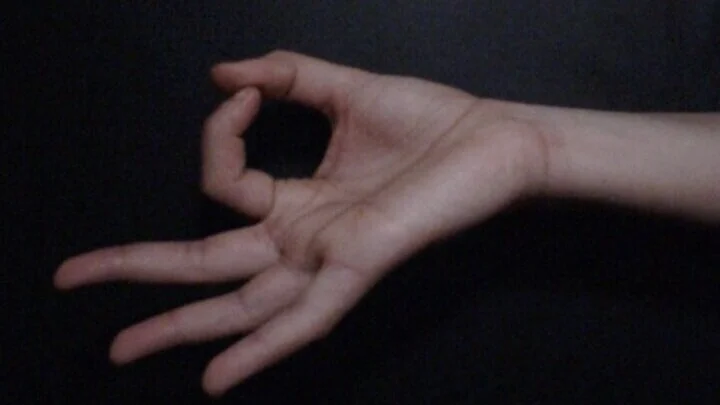
This interactive project uses a camera to detect hand gestures and a speaker to produce corresponding verbal sounds.
Common Algerian and Mediterranean hand gestures are a big part of Yasmine's culture, and she wanted to produce a system that preserves and demonstrates them. She remembers, as a child, watching her relatives having entire conversations with neighbours in other buildings using hand gestures alone. They would catch up on local news, gossip and share jokes.
Over time, this gestural language has faded. The main reason is that it seems no longer necessary, since most people have a mobile phone they use to send messages and emojis. Another factor is generational. Many in her generation have grown up under the influence of Western Europe and the US, or emigrated there, where hand gestures and expressive communication are less common. Although not a traditionalist, she has come to realise that the English language and mannerisms lack the range and richness in emotional expression that Mediterranean cultures have.
She wanted to develop a way of capturing the emotional vocabulary of these gestures before they disappear completely, and to make the case for the non-verbal expressions of emotion that words fail to articulate. Ideally this would be an interactive installation where audience members try out different hand gestures and learn what their meanings represent. Even without understanding the language they hear, they would sense the emotion in the tone and still enjoy the experience.
She wrote the piece in C++ and used a PlayStation Eye camera. She provided the audio recordings of her voice and her hand for the gestures. She first produced a data file with the three gestures separately, then imported that into the final program, which recognised the visual input and matched it to the audio files.
A Kinect camera or a Leap Motion sensor, both of which detect depth, would read hand movement more accurately, as would sensors that detect muscle movement. However, the wider purpose of this project is for audiences to interact with it outside of an installation, on personal devices with 2D cameras only. Therefore, to be as accessible as possible, she would put her effort into making movement detection more efficient, perhaps through more sophisticated machine learning algorithms.
She would like to develop an open-source, de-centralised gestural library that anyone is free to contribute to and curate. Machine learning algorithms could match and categorise gestures from different cultures. This library would act as a way to preserve gestural languages at risk of extinction and to trace how they have evolved over time and across geographies.
Challenging, undermining and distributing power is hard. Participation in discourse, let alone influencing systemic change, requires resources. Some are material and some more symbolic, signalling to all the undeniable legitimacy of the agent.
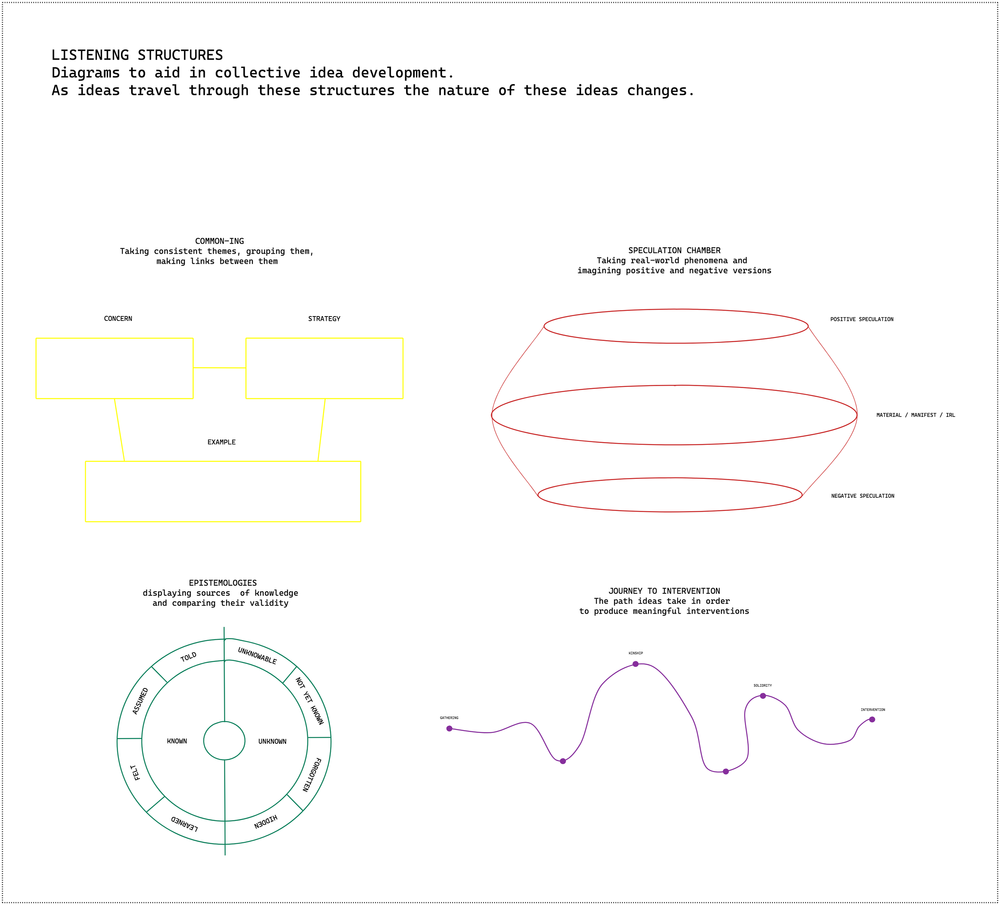
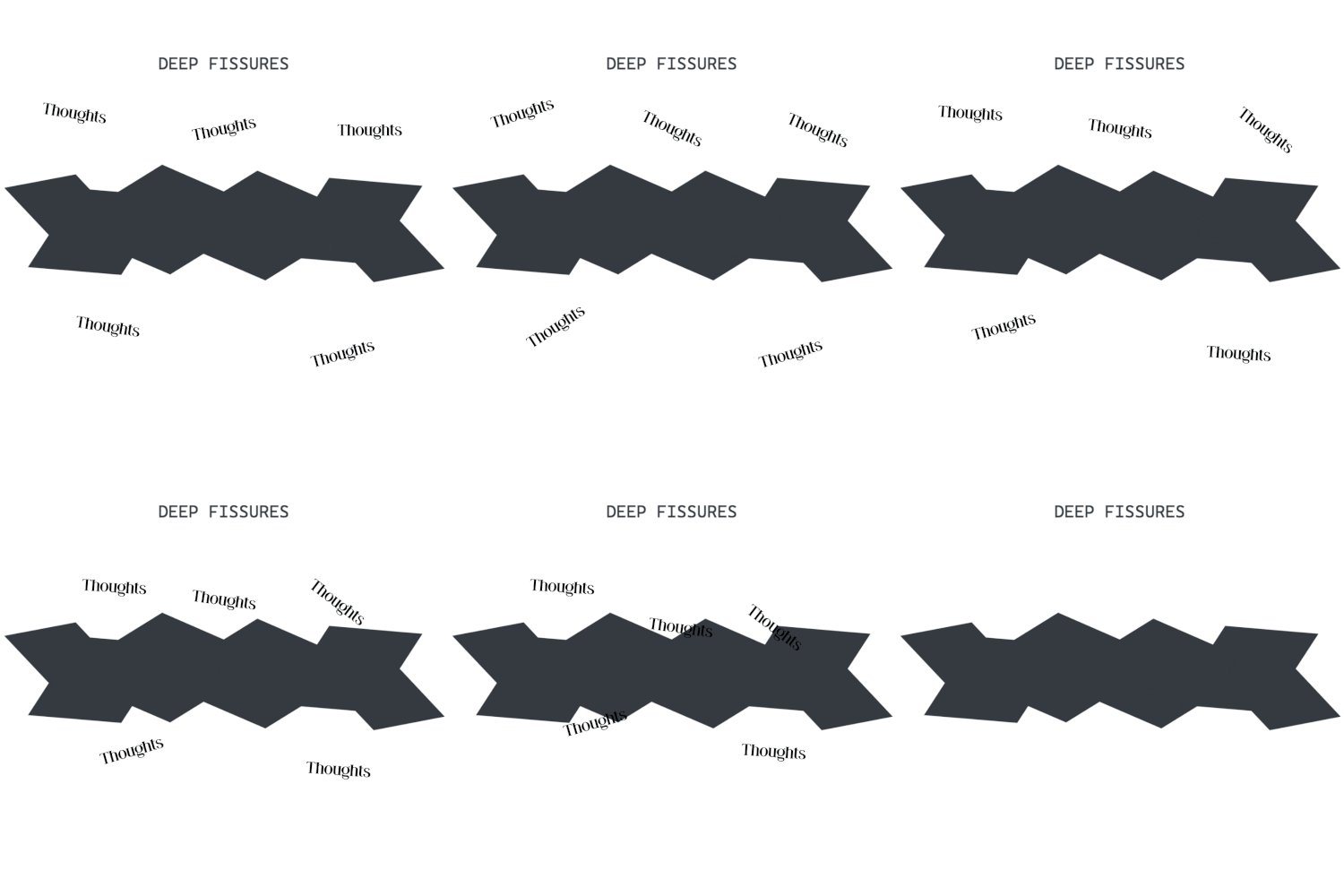
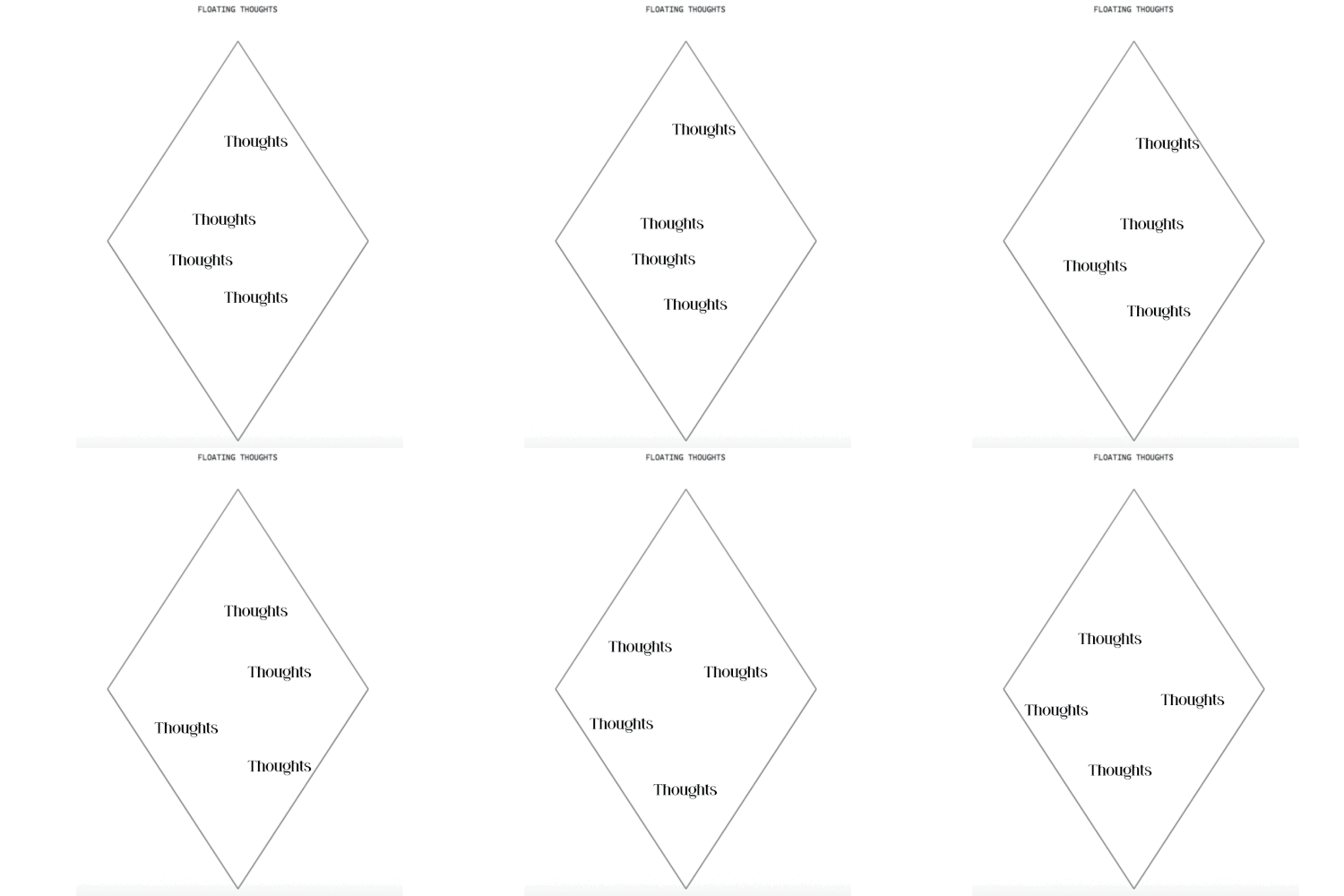
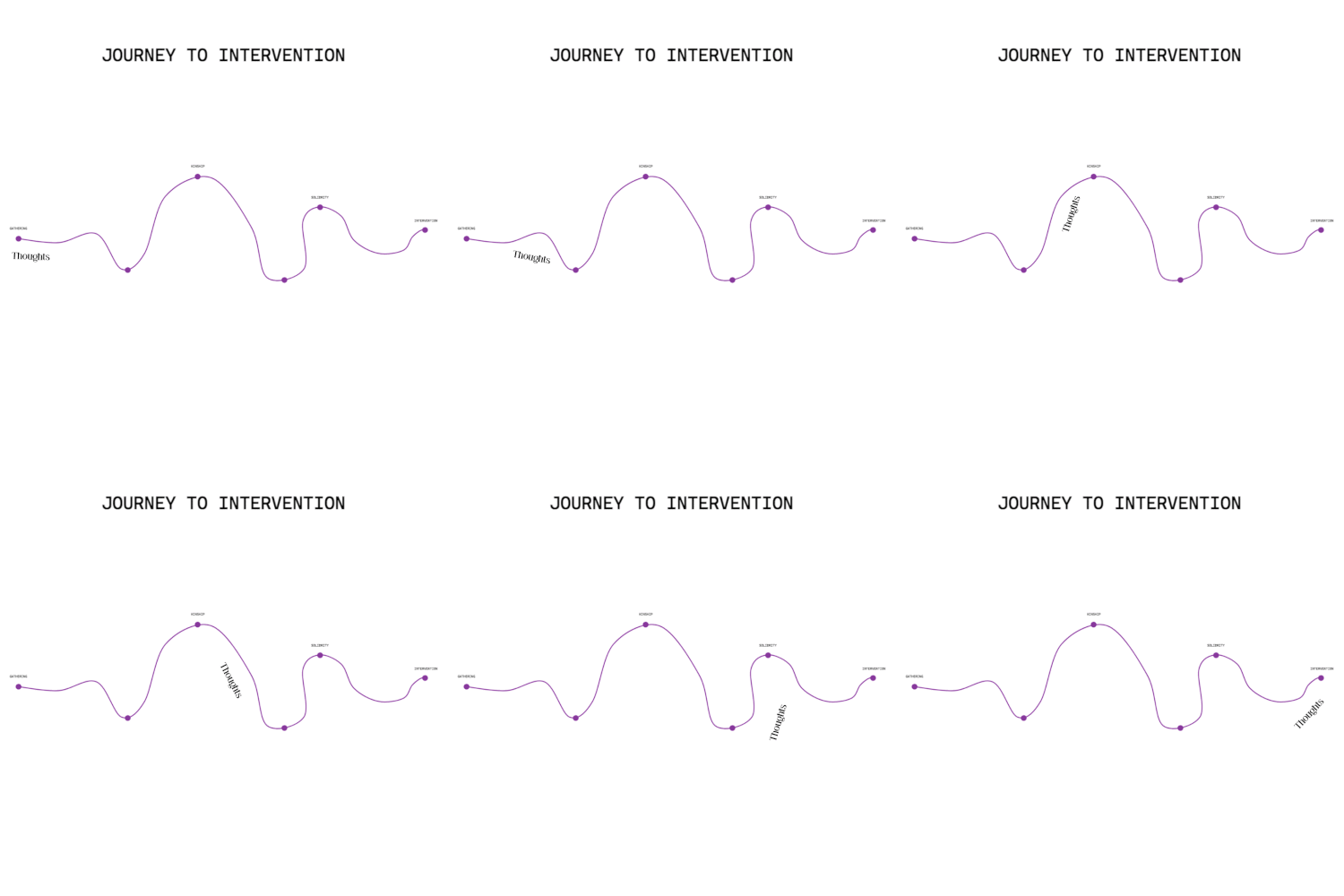
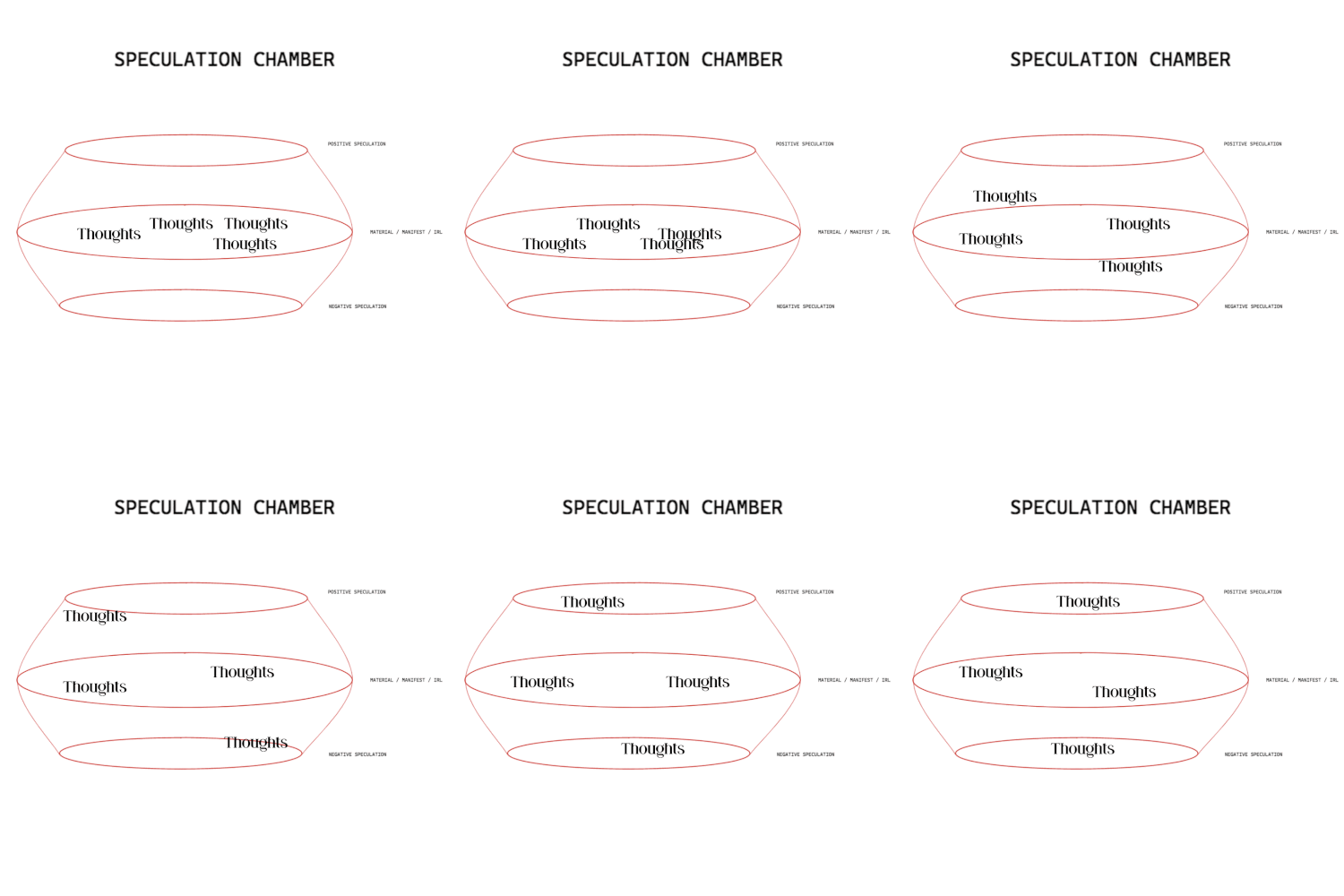
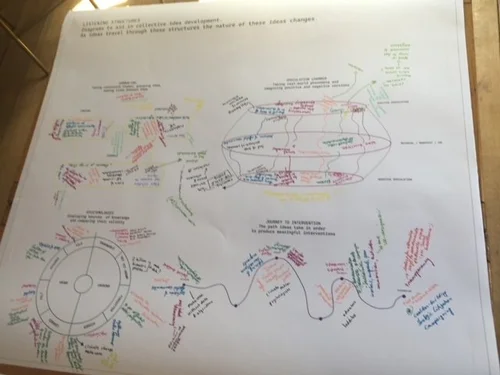
In undermining this process (a process that has become democracy in practice), new constellations of participation and outcomes are necessary. Listening Structures provide a 2-dimensional environment to capture and orient thoughts on a given technological conundrum. A series of geometric shapes that gradually fill with words, the process asks: what would listening look like if assigned roles were no longer visible, and conventional conversational dynamics (such as waiting for your turn to speak) no longer confined participants?
The listening detaches from any person, yet everyone becomes the listener, as each participant sees the output at the same time. This distributed listening becomes active distributed listening when participants have access to the platform that collects contributions and are able to manipulate them. These contributions, or thoughts, take on a life of their own. Anyone picks them up, moves them around, builds on them, manipulates and challenges them. Half-formed ideas manifest, and someone else makes them whole. As ideas travel through these structures during this in-person interactive workshop, the nature of these ideas changes, and the commons determines the output.
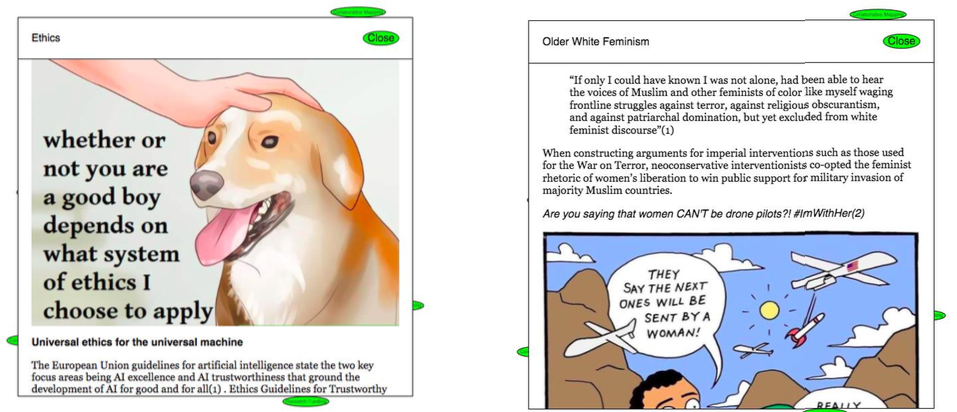
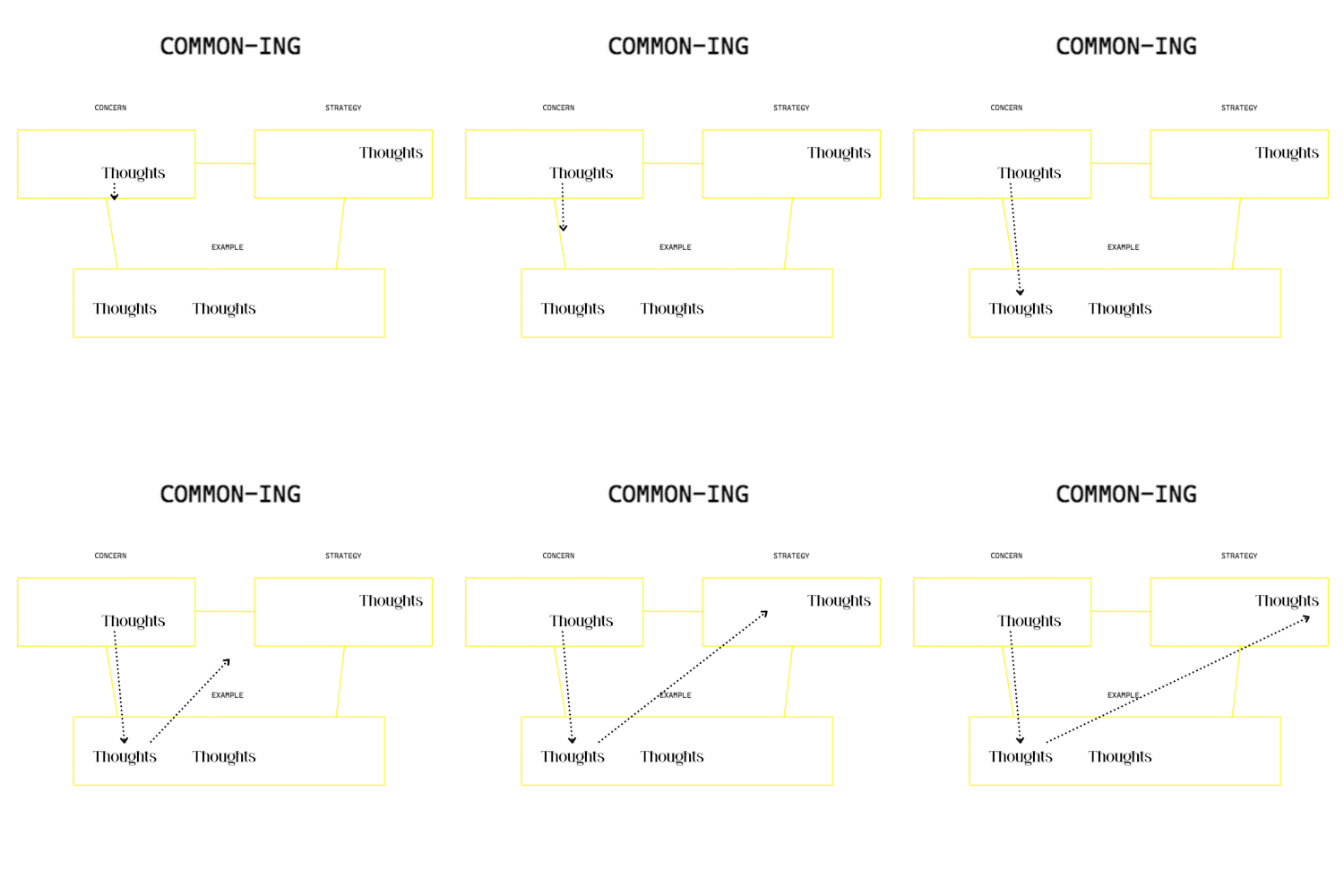
In the workshops, participants collectively interrogate case studies where big tech and the public sector become entangled, assessing their impact on public life and minoritised communities. They pick up and run with each other's ideas to collectively speculate on alternative figurations for what such relationships could be, if communities distributed power and made decisions in the commons.
EveryWhere is an open-source platform for enabling communities to build and own their own sustainable digital networks. The project comprises a long-term method for enabling local communities to manage their own instance, a hardware platform for building secure, sustainable community-spanning wi-fi mesh networks, and a software platform for writing, reading, and interacting with community content.
Yasmine participated in the founding EveryWhere Conference at UAL's Creative Computing Institute in July 2022, contributing across five thematic working sessions: community, hardware, sustainability, software, and creative. Her work on community-centred technology and anti-colonial approaches to digital infrastructure directly shaped the project's ethical framing. The conference brought together practitioners including Sarah Grant, Tega Brain, and Matteo Loglio to develop the project's research questions and methodology. Yasmine's contribution is credited throughout the conference documentation as foundational to the community and creative strands.
The project's three research goals, enacting best practices for local community-owned networks; proving best practices in sustainable computing spanning local hardware, renewable power, and software; and proving best practices in the creation of artistic and functional augmented reality content for and by communities, align directly with Yasmine's broader research concerns around community data sovereignty and decolonial infrastructure.
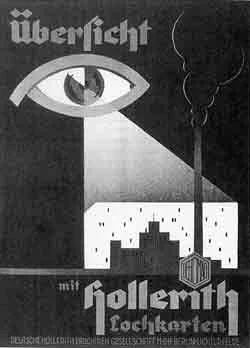
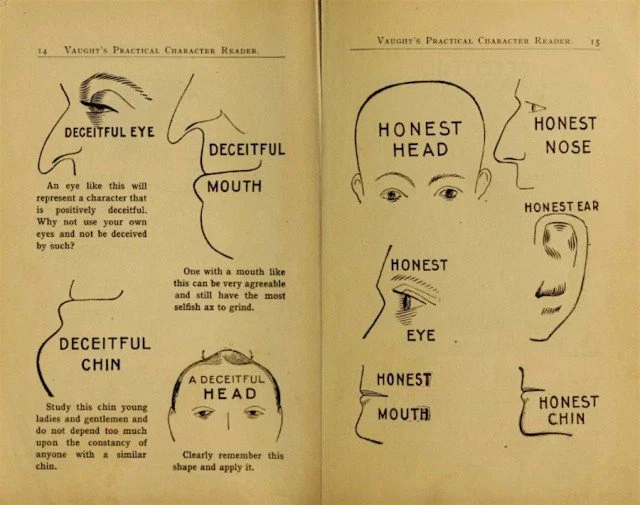
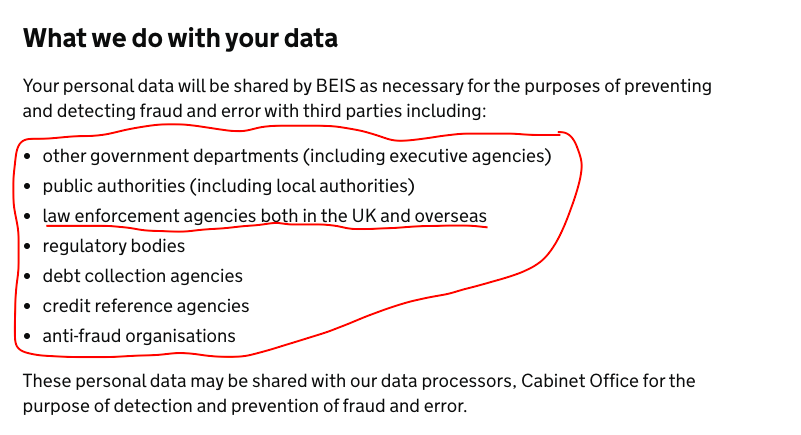
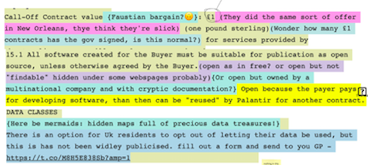
Entanglements interrogates the relationship between states and technology companies. These relationships are lawful, yet at times perpetuate violence towards minoritised groups. It is therefore important when describing these relationships and their effects on people to move away from the potentially sanitising framing of legality vs illegality, and to situate this as part of a wider pattern of behaviour that keeps replaying across history and geographies in different forms, as part of a continuum of the subjugation of people away from power by entities of power.
The systematic, often unnoticed and seemingly harmless harvesting of individuals' data becomes a weapon against minoritised groups. In partnerships between government bodies and private technology companies, the project identifies tech solutionism, normalising language, lack of consent and obfuscation as neo-colonial behaviours of these entities of power, serving to maintain and extend that power.
This project seeks to demystify technological concepts and develop a conceptual understanding in people. Collectively, participants interrogate, detangle and then reimagine public-private contracts.
To identify misogynistic micro-aggressive behaviour arising from implicit bias in the workplace, and use virtual reality as a tool to change that behaviour.
The training
Many professional women encounter a type of misogyny at work too subtle to make an official complaint about. These are microaggressions: subtle physical or verbal behaviour based on bias and stereotypes.
Colleagues participate by experiencing virtual scenarios that show such behaviour. A guided conversation follows, discussing themes in the experiences. The training asks nothing more of participants, and trust individuals to make personal changes as they deem appropriate.
Research
Yasmine collected hundreds of personal accounts of misogynistic micro-aggressions from hundreds of women. There were 3 criteria:
Accounts came from professional women currently working in corporate and tech organisations.
Recent experiences.
Behaviour too subtle for common HR standards to treat as blatant misogyny.
4 common themes emerged, which form the basis for the scenarios:
A physical meme that acts as an informative object for humans of the future: a human interacts with a mechanical object, and the object reacts and communicates valuable information to the human.
Yasmine's intention is that in a speculative future, a person familiar with the Physical Meme, upon discovering a piece of information that needs communicating, will build a version of this object, as an act of altruism, to share that information with others.
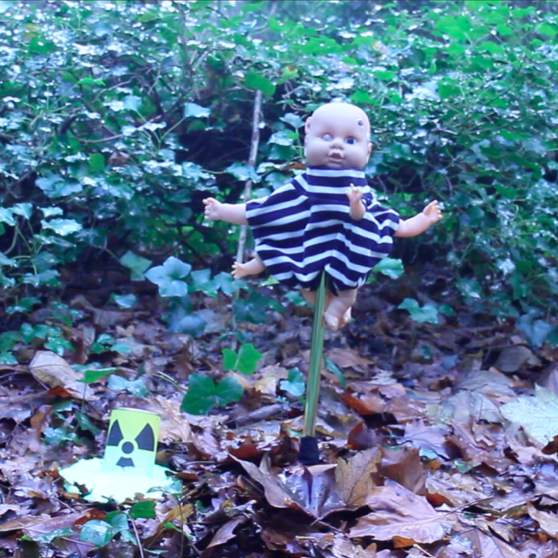
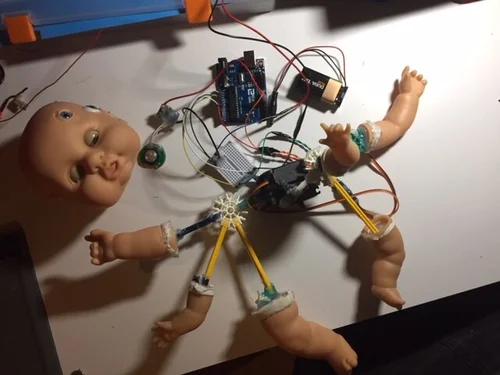
Her monster baby warns humans of the future of nuclear waste nearby. A pressure sensor activates movement and sound that warns you to stay away.
She proposes a new use for memes: to inform. Memes don't have to exist only for humour, or derision, or capitalist endeavours. They have the potential to inform, and to serve altruism. They evolve, and spill over from the web to the real world. The project invites people to imagine new possibilities together.
She has made an example of a Physical Meme, a "Safety Meme", as a pilot project communicating the dangers of nuclear waste.
Nuclear waste will remain radioactive for thousands of years. Humans in the future will need warnings about the danger of the nuclear waste we produce now. Semantics and symbols we use now will not carry the same meaning in the future, so the project proposes a warning symbol (a mutated baby) that stays relevant in years to come, and a vehicle that lets people reproduce the symbol (the virality of memes).
Nuclear semiotics is a fascinating practice that attempts to imagine which interventions we produce in the present would help warn people in the distant future of the dangers of nuclear waste. Attempts at this include an atomic priesthood, breeding cats that change colour near radiation, and the notion that "this place is not a place of honour".
It's unlikely that any warning system that appeals to a person's sense of reason will work. People routinely trespass and excavate where they know they shouldn't. Tomb raiders ignore curses, and there's a campaign trying to convince young people that live train lines are actually dangerous.
This pilot project proposed that evoking discomfort and disgust would work better, as these emotions are universal, and not attached to a specific culture or a particular language system.
She wanted to appeal to people's sense of the absurd, as something unusual is more viable as a meme, and more likely to live on in people's imaginations, free of any tether to cultural context or a point in time. The aesthetic of Tim Hunkin's "Novelty Automation" machines elegantly demonstrates that machines function and convey meaning without mechanical complexity. She wanted to retain an element of humour, to be disarming and engaging without asking much intellectual labour of an audience.
She assembled a mechanical sculpture that anyone is able to re-assemble, without knowledge of electronics, using easily available, scavenged materials at little or no cost. She wanted to offer the idea that participating in a practical sense in technological practice is for everyone.
Working philosophy
A list of proposed rules and principles to guide the development of the project:
The object should have an innately familiar form.
The object's form should alter when activated in order to communicate a piece of information.
The piece of information should be relevant to humans in their situation and point in time.
The viral nature of memes could transmit different types of information.
People currently fall short of using memes to their full potential.
Memes are able to exist offline, as physical objects.
A meme in the present has the potential to live on online indefinitely.
An online meme could manifest as an offline, physical object.
Where possible, use easily available, low cost, second-hand objects and components.
Where possible, use scavenged materials that will keep their integrity for hundreds or thousands of years.
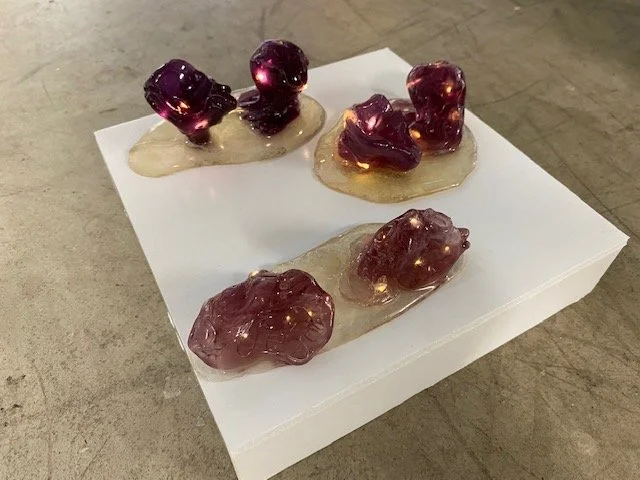
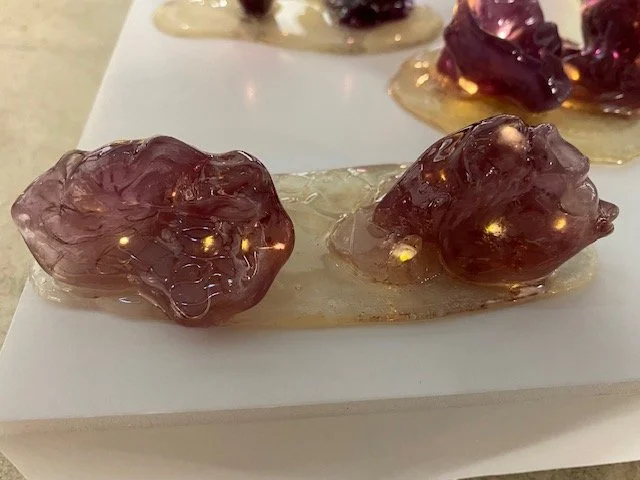
Amphibian Populations of London is a computational art piece made of three hand-sized sculptures. Yasmine made the sculptures from sugar and coated them in resin. They emit light pulses corresponding to populations of amphibians recorded at different sites across London. The form, colour and pulse patterns of the sculptures represent the relative health of these populations.
Does data have the capacity to represent living things? And if so, what traits does a non-biological object require to convey this sense of life?
Sentient Blobs
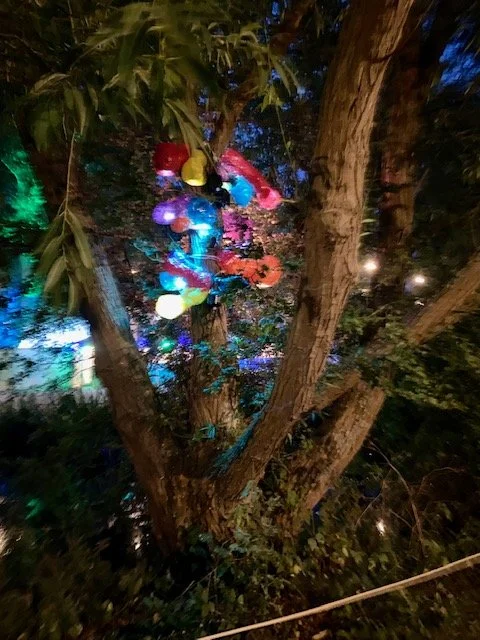
Interactive light sculptures with motion detectors, LED lights and a programmed ESP32 chip give ambient "womp" pulsating light when someone nears.
Small ones as indoor decoration, massive ones at outdoor experiences.
Publisher: UAL, Co-authors: Prof. David Mba, Chris Lloyd-Bardsley, Editions: 2022, 2023, 2024
Annual data analysis and appraisal of ethnic disparities and anti-racism initiatives across universities in England. UAL's head of research selected Yasmine to co-author the Index, and she managed the research process from design through to publication and dissemination. Times Higher Education featured the Index.
Yasmine Boudiaf is a researcher, artist, and technologist based in London. A Research Fellow at UAL's Creative Computing Institute and a PhD candidate working at the intersection of generative AI, intangible cultural heritage, and decolonial practice, she was named one of 100 Brilliant Women in AI Ethics 2022 and is a Visiting Fellow of the Ada Lovelace Institute and a Fellow of the Royal Society of Arts.
Long bio
Yasmine Boudiaf is a researcher, artist, and technologist based in London. A Research Fellow at UAL's Creative Computing Institute and a PhD candidate working at the intersection of generative AI, intangible cultural heritage, and decolonial practice, she was named one of 100 Brilliant Women in AI Ethics 2022 and is a Visiting Fellow of the Ada Lovelace Institute and a Fellow of the Royal Society of Arts.
Her practice spans participatory workshops, diagramming methodologies, and community-grounded approaches to AI and cultural heritage, with a particular focus on North African heritage traditions and decolonial frameworks. Her art practice is described as 'tin foil hat research': playful projects rooted in deep research methodologies ranging from writing to computing, examining the shape-shifting tactics of ruling powers and new technologies.
As a serial founder, Yasmine built and directed Justice Matrix (2020–2024), a non-profit consultancy supporting organisations in developing sustainable, socially responsible technology projects and policies. She previously served as Chief Strategist at Peoples Studio (2019–2022) and founded Serious Datum (2014–2019).
She is an Associate Researcher at London South Bank University, AI Policy Advisor to PAQN, and co-organiser of No Tech For Tyrants.